
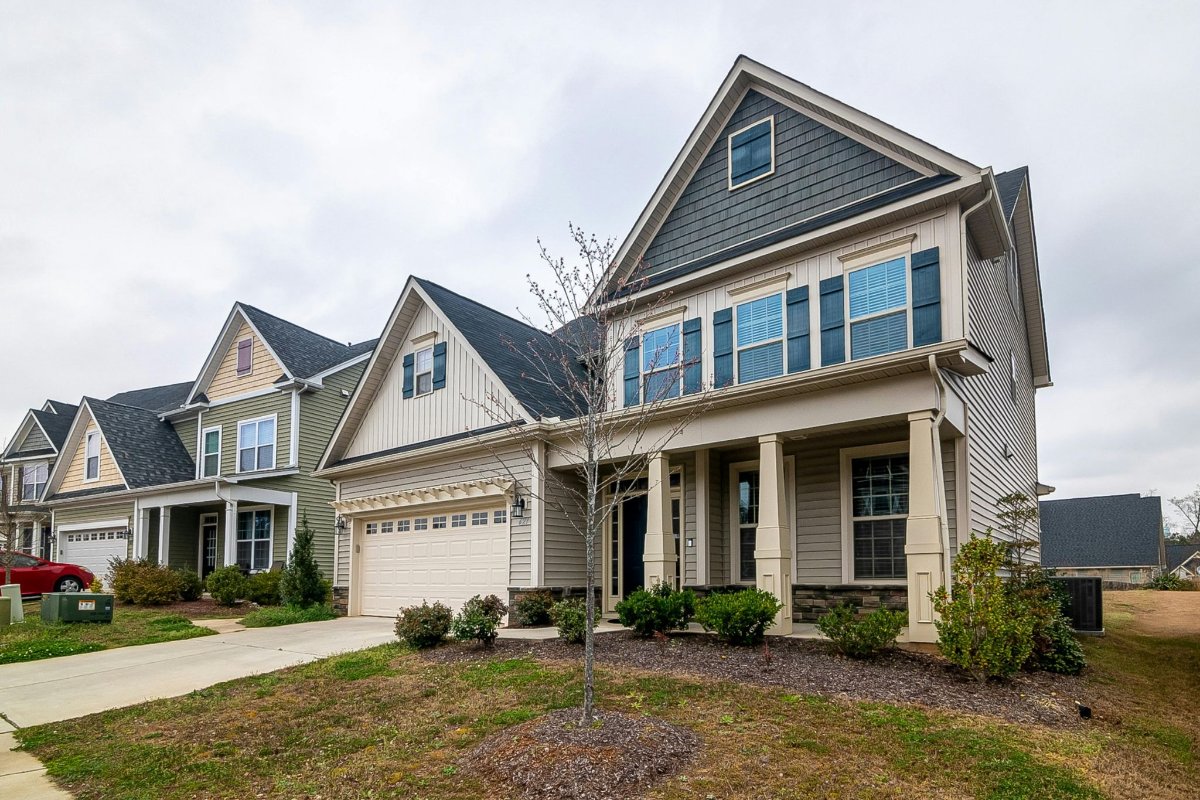
Mesquite has a habit of hiding good houses in plain sight. Streets lined with ranch homes, brick facades, deep setbacks, and mature trees can look ordinary at first glance, yet many of those properties still sit in places buyers want. The problem is not always the house itself. It is seeing past worn finishes, tight room divisions, and patchwork updates. That is where 3d rendering for architects becomes useful in a practical way. In a market where Mesquite's median sold home price is about $303,460, clear visualization helps owners, buyers, and lenders judge what is really possible. Instead of guessing, they can use 3d architecture rendering to see how an older home could become current, livable, and valuable.
Mesquite is not a suburb inventing itself. It is a built, settled city with a 2024 population estimate of 150,140 and an owner-occupied housing rate of 62.8%. The median value of owner-occupied homes in 2020–2024 was $245,700, which helps explain why many buyers still look here when Dallas prices feel heavy. But older neighborhoods create a familiar problem: people can read numbers faster than they can read potential. They notice dark kitchens, low visual flow, and dated materials before they notice lot size, access, or structure. Modern renovation planning needs more than floor plans and mood boards. Buyers want to see the after, not just hear about it. That clarity is what makes visualization so useful in Mesquite's older neighborhoods.
The Mesquite Real Estate Landscape
Mesquite's residential story was built fast. City planning documents show the population rising from about 1,700 in 1950 to 27,345 in 1960, then nearly doubling again to 55,131 in 1970. That wave of growth left behind neighborhoods with a clear identity: modest but solid homes, predictable street grids, proximity to schools, and easy routes into the wider Dallas area. In places like Mesquite Park and Truman Heights, many homes were built in the 1950s and early 1960s, and the city still describes these areas as quality neighborhoods with strong community ties. Buyers are often willing to forgive cosmetic age when a neighborhood feels stable, connected, and established. In real estate, charm is often location, lot pattern, and livability in older homes.
Characteristics Of Older Neighborhoods
Older Mesquite homes usually tell the same visual story. Rooms are more compartmentalized than today's buyers expect. Kitchens can feel boxed in. Carports, low ceilings in parts of the house, heavy trim choices, and older exterior palettes can make a property feel smaller than it is. City planning data for Mesquite Park shows a median build year of 1959, with 55% of homes built before 1960, so this is not a rare condition but a neighborhood-wide pattern. Yet these houses often have the thing newer homes cannot fake: good bones. The footprint is already there. The lot is already there. Renovation value begins when someone stops reading age as failure and starts reading it as an editable form.
Why Older Homes Appeal To Modern Buyers
Modern buyers are more open to older homes than they used to be, especially when the numbers work. Mesquite's median listing price is about $289,000, which keeps the city in a range that many buyers still see as reachable compared with much of the Dallas market. Older neighborhoods also tend to offer larger yards, mature landscaping, and convenient access to schools, retail, and arterial roads. Those are not small advantages. They shape daily life. Buyers also understand that well-chosen improvements can return real money. Recent resale data shows a midrange minor kitchen remodel can recoup about 113% of its cost, while a midrange bath remodel can return about 80%. When a house starts below the visual standard but sits in the right place, the upside becomes easier to defend.
The Power Of 3D Architecture Rendering
Renovation planning usually falls apart in the gap between intention and image. Someone says they want an open kitchen, a brighter facade, or a cleaner transition between living areas, but the conversation stays vague until a visual tool gives it shape. That is the job of rendering in renovation work. It translates changes in dimensions, materials, lighting, color, and layout into something people can actually judge. This matters because remodeling is rarely cheap, and hesitation is expensive too. Zillow reports that 72% of sellers completed at least one home improvement project before listing in 2024. Visualization simply makes those decisions sharper. It helps people compare options, reject weak ideas early, and move into design discussions with fewer assumptions.
Transforming The Abstract Into Reality
Most people do not struggle with taste. They struggle with confidence. A homeowner may know a house feels outdated but still freeze when asked whether to remove a wall, repaint brick, or rework a kitchen line. A realistic image cuts through that hesitation. One strong 3d architect rendering can show daylight, proportions, storage logic, and furniture fit in a way a sketch never will. It also helps buyers feel the payoff before construction starts. That shift matters because money follows conviction. Zillow's research also found that 36% of buyers rate smart home capabilities as highly important, and renderings can preview how those updates fit naturally into an older home instead of looking patched on. Good visualization reduces fear by making change visible and specific.
Bridging The Communication Gap With Contractors
Renovation problems often begin long before demolition. They start when the homeowner sees one thing, the designer describes another, and the contractor prices a third. A clear architecture rendering gives the team a shared reference point. It shows where finishes change, how openings align, what the new lighting mood should be, and whether cabinetry or flooring choices actually work together. That shared image does not replace drawings or scope documents, but it makes them easier to understand and harder to misread. Contractors can respond to concrete details rather than trying to decode a verbal wish list. For older Mesquite homes, where every inch of an existing layout matters, that kind of clarity can prevent revisions, change orders, and frustration in the middle of the job.
Case Study: A Mesquite Renovation Journey
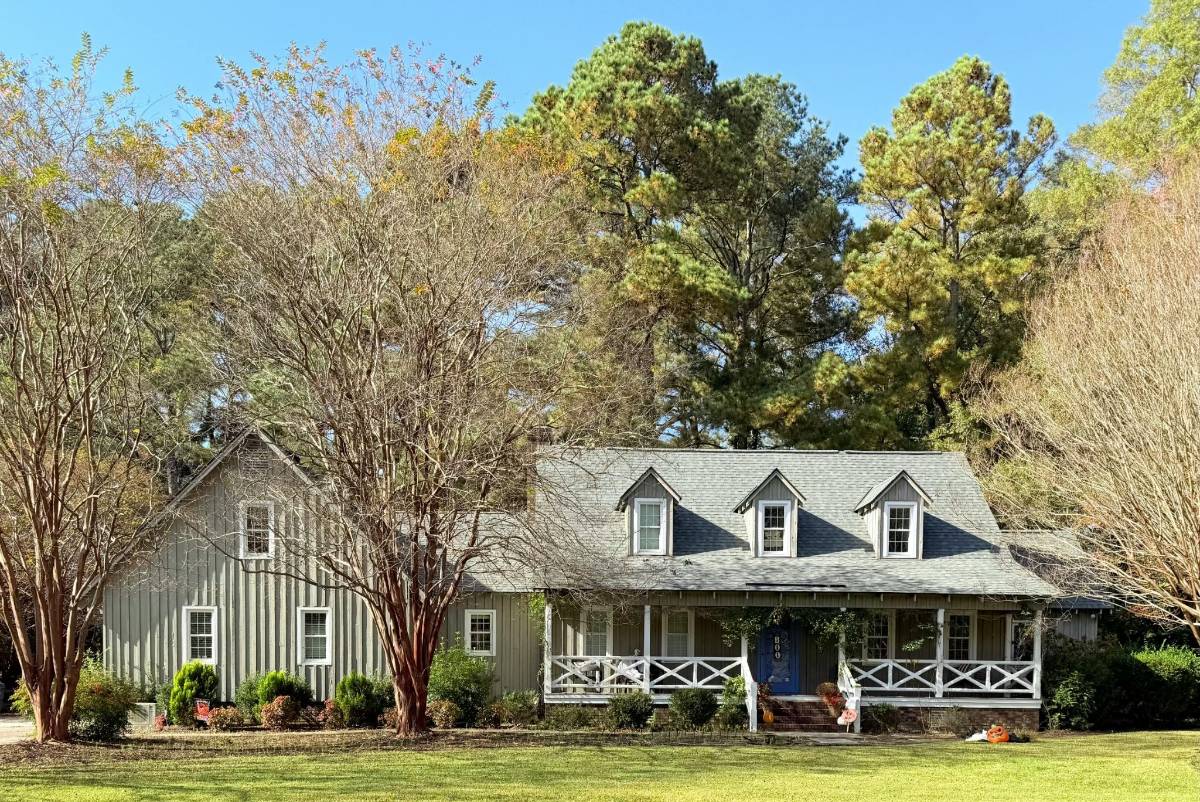
Consider a composite Mesquite project based on the renovation path that older neighborhood homes often follow. The house was structurally sound but visually stuck in another era, with a closed kitchen, dark finishes, and a front elevation that looked flat and tired. The owners did not need a fantasy. They needed a process they could trust, and the visuals made each step easier to approve:
- An initial site assessment identified what had to stay, what could move, and which dated features were hurting the home's perceived value more than its actual condition.
- A base digital model captured the house as it existed, so the team could test changes without arguing from memory, photos, or rough guesses.
- During the design phase, several options for layout openings, cabinet lines, flooring, and exterior materials were reviewed until the owners found a version that felt current but still fit the neighborhood.
- By the time the final architectural renderings were ready, the package was strong enough to support contractor alignment and help explain the renovation plan during financing conversations.
What changed most was not just the design. It was decision speed. Once the owners could see the likely result, they stopped debating whether the house had potential and started deciding how to unlock it.
Justifying The Investment Through Visualization
Renovation budgets become easier to defend when people can connect cost to outcome. A lender, partner, or cautious family member does not just want to hear that the house will feel better after the work. They want to know what is changing, why it matters, and whether the finished product fits the market. That is where a disciplined visual package earns its fee. A careful rendering company can produce material that sits beside contractor estimates and helps frame the logic of the spend. The visual proof is especially useful when updates target resale-sensitive areas like kitchens, bathrooms, windows, siding, and entry sequences. It lowers perceived risk and keeps owners from overbuilding. When the after-image is clear, budgets can follow market reality instead of emotion.
Conclusion
Older homes in Mesquite are not hard to understand once someone stops looking only at what is outdated. Their value often lies in the aspects buyers cannot quickly build today: established neighborhoods, workable lot sizes, mature surroundings, and a solid place within the city's daily rhythm. What holds these homes back is usually not potential but visibility. People need help seeing the right version of the house before they spend on it. That is why visualization matters so much in renovation work. It reduces doubt, improves communication, and gives financial decisions a stronger base. Mesquite's older neighborhoods do not need to be erased to feel current. They need to be interpreted well. For many renovation projects, the first smart step toward that future is 3d architecture rendering.
Posted by Alexander Gutierrez
Related Articles:
- 10 Compelling Reasons To Move To Nevada In 2024
- 5 Ways To Increase The Curb Appeal Of Your Desert Home
- What Do You Do When The Home Appraisal Comes In Too Low
- How Phishing Attacks Affect Real Estate Professionals
- Womens History And Culture Center
- Virgin River Recreation Area
- How Does A Buyers Agent Get Paid
- Financing A Home Purchase In Retirement